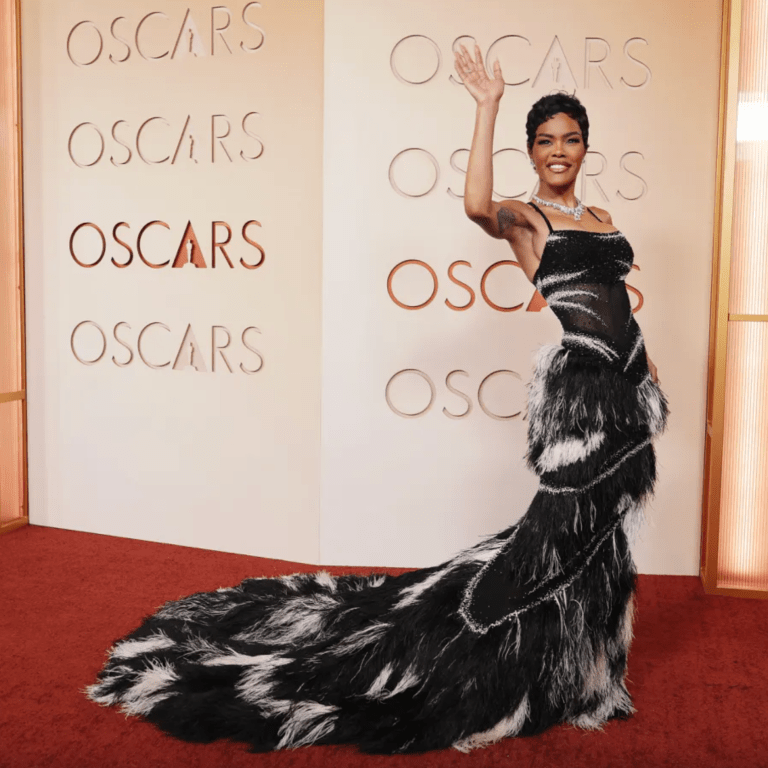

Sinners walked away with four Oscars last night, after a record 16 nominations. And while many fans feel Sinners deserved Best Picture, a quieter case deserves attention: Sinners, with Siân Richards’s makeup artistry and Ryan Coogler’s on-set magic, deserved the Best Makeup and Hairstyling recognition.
1. Skin as the Story
Richards treats skin as the film’s primary storytelling surface. She describes skin as a “roadmap. It shows your blood flow, your stress, your history. Everything is mirrored there.” For Sinners, that meant moving beyond generic foundations to a pigmented silicone cream that Richards developed herself. The technique required retraining much of the local New Orleans crew. “They were used to putting one or two foundations on and being done,” Richards said in an interview on her craft. “I was like, ‘No. Throw that away. We’re starting from scratch. We’re doing a fine art course in a week.’”
2. A Practical, Poetic Approach To Transformation
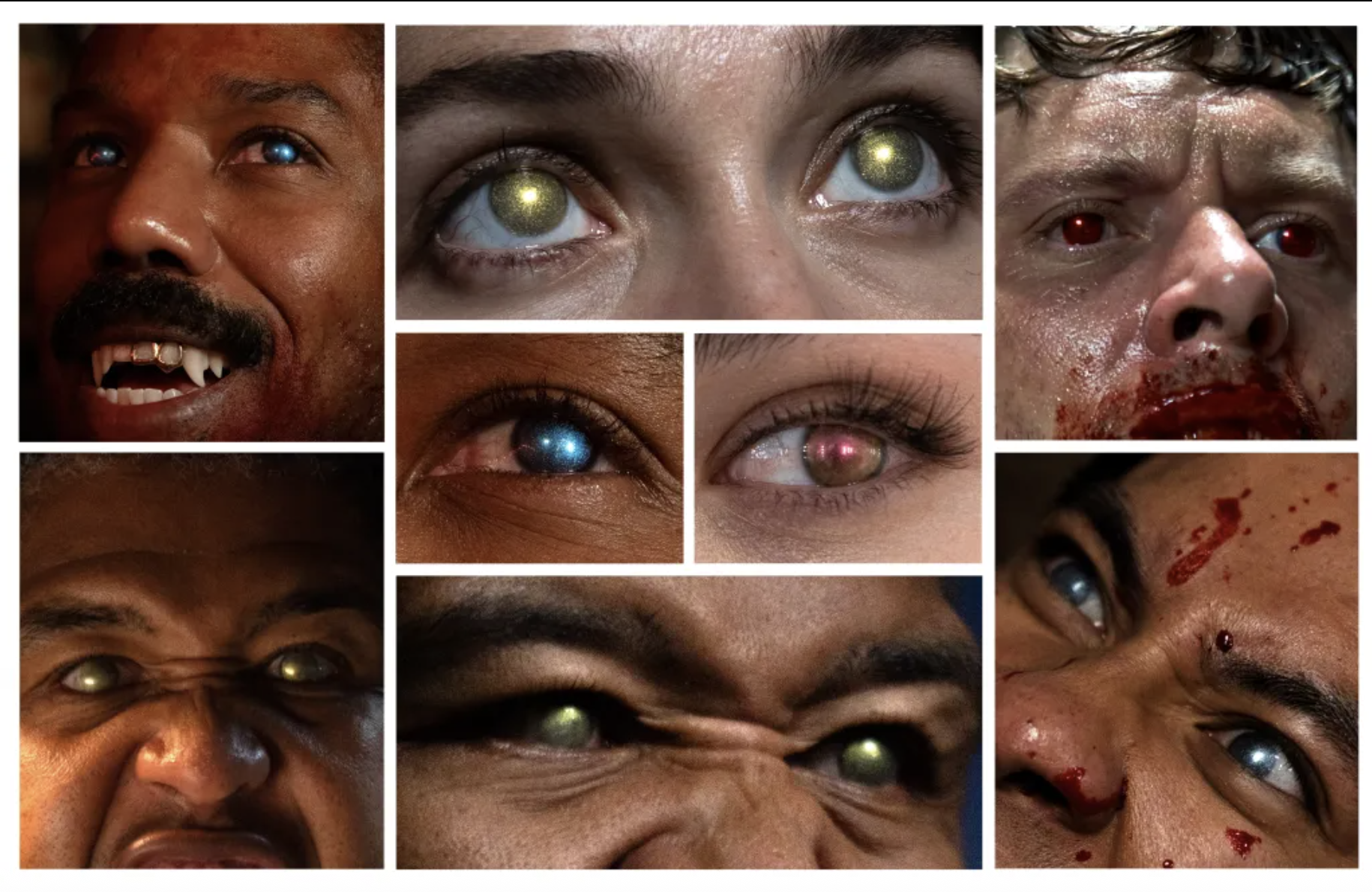
The film’s vampire design isn’t about familiar two-bite clichés. The blood design, the ferocity, and the physicality of feeding—all of it was intentional. Richards and her team treated bite, bleed, and transformation as ongoing, physical dialogue. The makeup and effects work together to push the vampires from threat to mythic presence, with a depth that lingers after the lights go down.
3. On-Set Collaboration That Proves Makeup is Narrative Equal
Coogler’s never-before-seen hair-and-makeup test footage offers a rare glimpse into the film’s pre-production philosophy: test early, iterate, and align across departments. Ruth E. Carter’s costumes and Hannah Beachler’s production design intersect with skin, tone, and light to create a cohesive world. The team’s insistence on practical effects—real textures, real reflections—proved makeup and hair can be as essential to storytelling as dialogue or camera work.
https://www.instagram.com/reels/DVeoE6YEkhx
4. Cultural and Technical Audacity
Richards’ work challenges conventions: a vampire world built on skin-first realism, not gothic clichés. The lens and pigment choices—the way eyes reflect, how skin layers read on screen—reframe beauty as a tool for truth-telling about history, power, and identity.
Sinners reminds us that makeup and hair aren’t just embellishments; they’re instruments of truth, capable of reshaping history on screen. When a film’s makeup and styling feels as defining as its plot, you know the artistry has earned its moment in the spotlight.