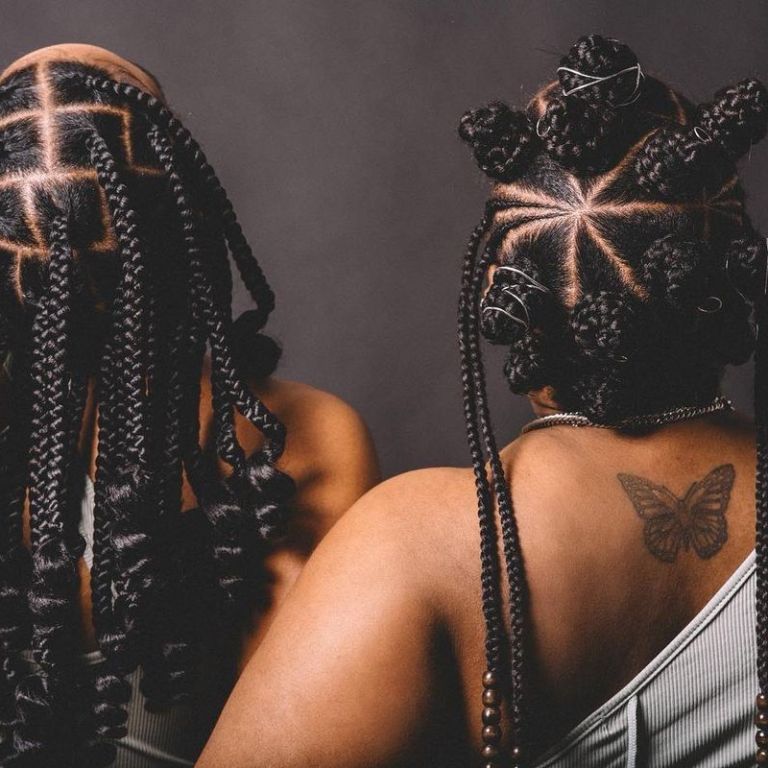


Since entering my 30s, I have found myself preferring the enduring loyalty and stability of friendship over the “fairy tale” of romantic relationships. Girlhood is a constant anchor that buoys me during the constant push-and-pull of work-life balance, the emotional burnout of dating, and mental growth.
In an era of dating-app fatigue, a questionable state of the world, and unpredictable career pivots, it helps to have your best friends in your corner—supporting you and cheering you on.
Rhaina Cohen’s 2020 Atlantic article “What If Friendship, Not Marriage, Was at the Center of Life?” explored how deep, platonic bonds were shaking up the norm. It presented an important question that feels even more urgent today, six years later: Why are friendships seen more as a source of stability and normalcy than other relationships?
The Science of Showing Up
In the current volatile job market, people are experiencing high stress and emotional imbalance. Having a high-quality friendship can act as a safe soundboard against uncertainty. Studies have even found that strong social connections can help prevent depression, stress, and even early death.
On the other hand, romantic love can often feel like a turbulent roller coaster. Having a village beside you doesn’t just make you happier; it gives you the confidence to navigate that dating field without losing your sense of self. Furthermore, being a part of your girls’ village provides a profound sense of purpose and rewards you with the appreciation of your most trusted people.
As the world begins to expect more of women while simultaneously stripping away the resources to succeed, we need friends who can meet us where we are and who aren’t afraid to articulate their own needs in return.

Evaluation and Evolution, Not Erasure
My friendships have evolved alongside every milestone: marriages, kids, cross-country moves, and career pivots. Naturally, priorities shift, but the throughline of the relationship doesn’t have to.
Despite moving across the country, I still find myself video-calling my girls from childhood with questions about how my makeup looks before going out to dinner with the women I became friends with as an adult.
As life goes on, people’s lives and focuses shift. Be willing to reevaluate yourself, the company you keep, and the contribution of both to the environment around you.

Reset and Refresh
Having a moment with your girls during a chaotic week (or month, or year) is more than just a social outing: it’s a welcomed reset. It’s an opportunity to express feelings, brainstorm possible solutions, and regain a sense of agency over your life. Often, we uncover truths in these group settings about our careers, our identities, and our needs—things we might never realize in the silo of a romantic partnership.

The cultural shift toward prioritizing platonic love isn’t just a trend. It is the result of finding your constants in a time of uncertainty: the 20-year-old group chats, the cross-country video calls about makeup, and the friends who show up at mile 19 when the road gets long.
Life serves as a reminder to hold onto the people who make the world feel a little less heavy. By choosing to center these bonds, we do more than celebrate girlhood; we build a foundation that can withstand any state of the world. We aren’t just “showing up” for our friends: we are building the very center of our lives.