
In the Philippines, skin color has long functioned as a social currency. During the Spanish colonial era, a fair and light “Mestiza” complexion was synonymous with wealth and status. Conversely, darker skin was the mark of the laborer, a physical record of hours spent working tirelessly under the relentless Philippine sun.
Though it’s been centuries since the colonization ended, the ghost of this hierarchy remains. Despite a growing movement to dismantle the stigma against melanated skin, the bias still lingers in the quiet, unconscious decisions we have made about our own reflections.
When I watched the Filipino Channel the heroes and female leads were fair-skinned, while those with Morena (darker) skin were relegated to the role of the villain or the butt of the joke. At home, I watched my aunts, uncles, and cousins do at home “gluta” treatments (glutathione) like whitening soap, creams, and powders and keep us indoors to avoid the sun—two major actions that instilled a singular, rigid expectation of beauty.
I carried this conditioning into my early relationship with makeup. For years, I hovered around the “Light/Fair” displays, but never found my true match. If a shade looked ashy or ghostly on me, I didn’t blame the product or the shade; I blamed my skin for not being light enough to carry it.
This insecurity intensified in the halls of my predominantly white Catholic high school. I was already battling the insecurity of being an awkward teenager, but being surrounded by peers who fit a Western standard of beauty made me feel fundamentally flawed. I convinced myself that my inability to match my makeup was both a personal and social failure.
The shift didn’t happen until college, when I joined a Filipino student organization. For the first time, I was surrounded by people who didn’t just accept their Morena features: they embraced them.
Confidence like that, I quickly learned, is infectious. Slowly, I let go of the desperate insistence on being an NC13 and began to admire the beauty of those embracing NC46 and deeper.
When I finally started researching and choosing shades designed for my actual skin tone, people noticed a difference! It wasn’t just the makeup that looked different, it was the way I carried myself. Learning to love my skin allowed me to step out of a self-imposed cage and experiment; I found myself exploring contouring, highlighting, dark lipsticks, dark eyeshadows — everything I was so hesitant to do during my era of wanting to be as pale as the Cullens.
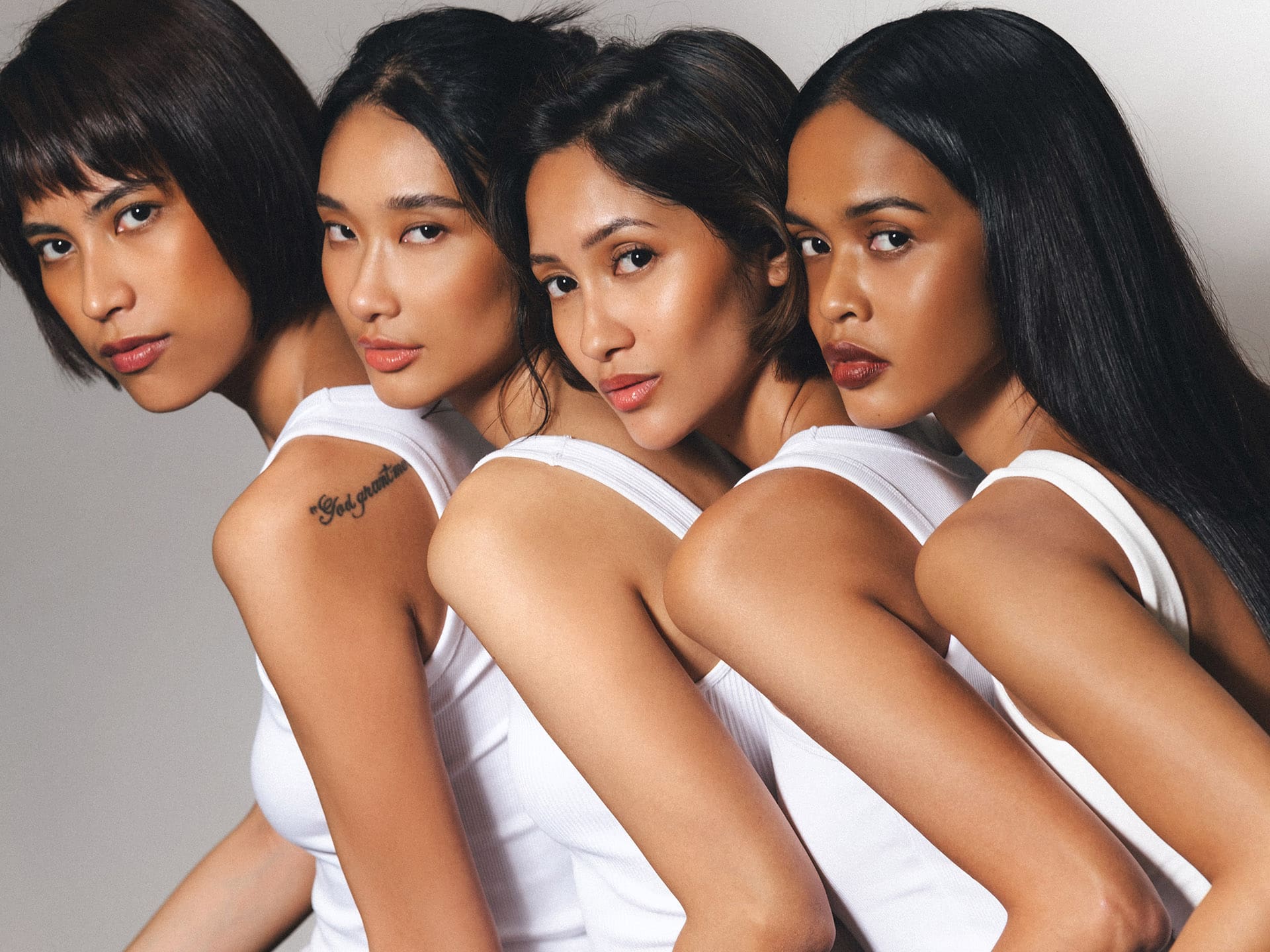
My personal evolution mirrors a larger cultural shift happening today. With the rise of Morena stars like Nadine Lustre, KZ Tandingan, and Bianca Gonzales taking up high-impact, influential spaces, the stigma is becoming a whisper. Rather than shying away in shame, we are seeing more artists who celebrate their Morena features.
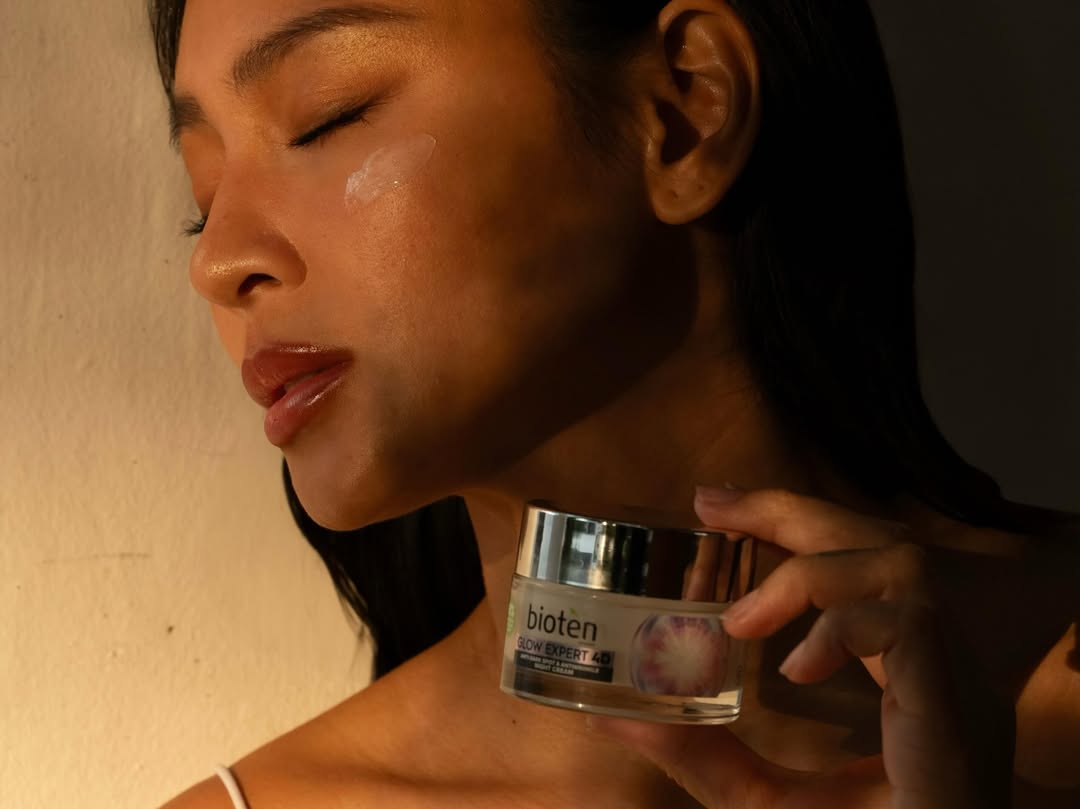
Morena beauty is a source of cultural pride. We’re proud to know our skin color comes from ancestors who built the very foundation of the Philippine country as field and farm workers.
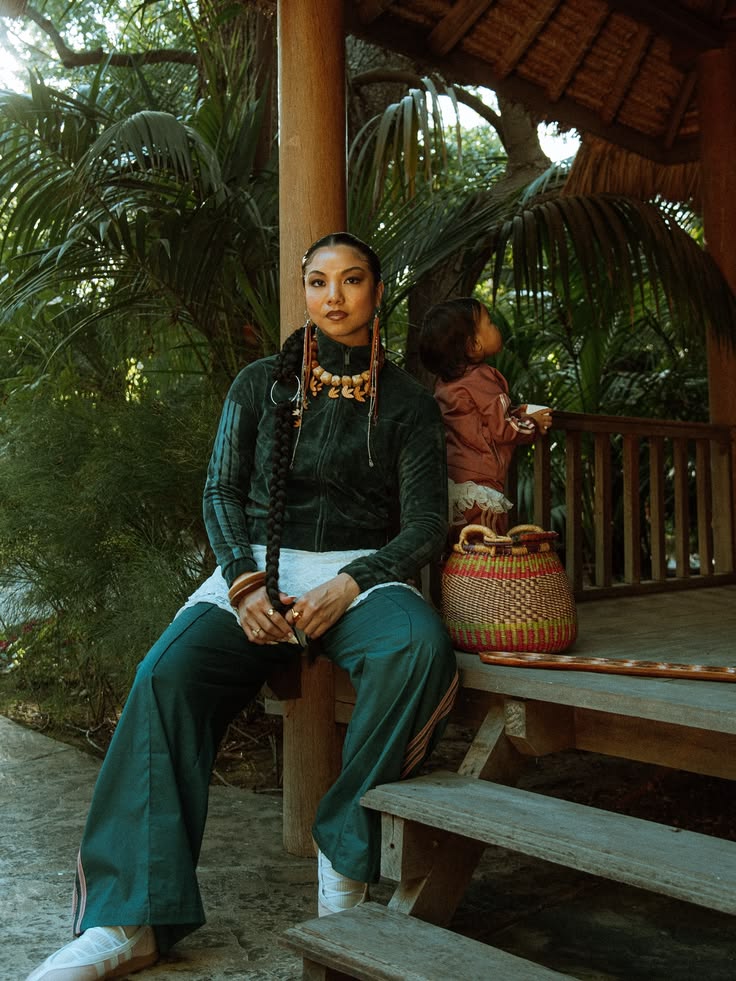
As Mestizas continue to uplift their Morena brothers and sisters, the discourse surrounding Filipino beauty becomes more inclusive. Social media has become a platform for vocal resistance against skin-whitening ads, and outlets like Allure Philippines are finally giving the Morena spotlight the permanence it deserves.
There’s still more work to do. The global skin whitening or skin lightening industry is valued between $10.8-16 billion, with the largest market being the Asia-Pacific region (Fortune, 2025). But the conversation happening is getting louder by the day and you see the effects in the health and beauty space. Following push back surrounding the usage of “whitening” and “fair,” major brands like Unilever and J&J have removed such wording from their products and are rebranding as “brightening” or “even-tone”. This shows that while there are still some that believe being lighter and fairer is the ideal, they are getting smaller in numbers and we’re in a time where the Morena skin is so much more openly appreciated than in the past.
We are moving toward a future where Morena skin is seen not through the lens of colonial colorism, but as a source of cultural confidence.